
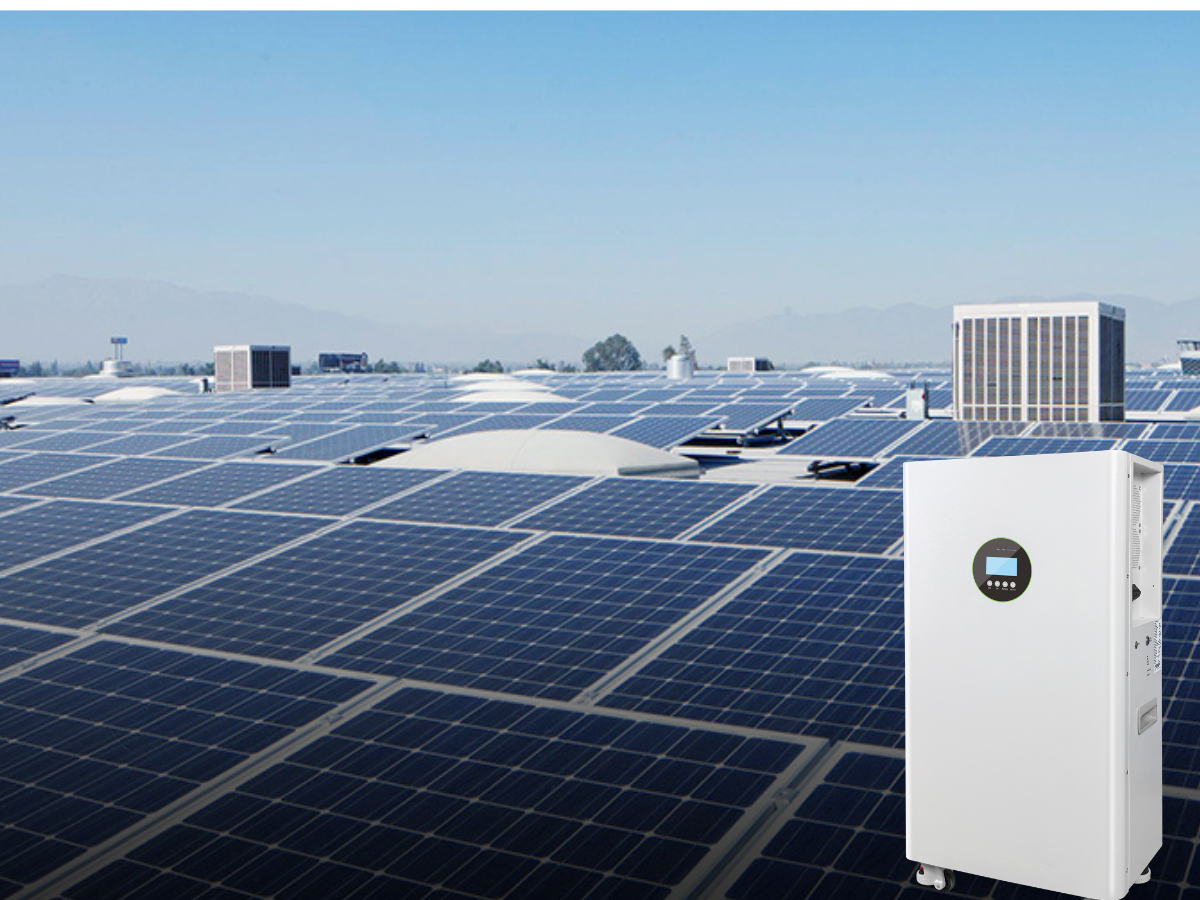
With the widespread adoption of photovoltaic power generation, an increasing number of households and businesses are deploying photovoltaic energy storage systems. Within these systems, the inverter serves as the core component connecting photovoltaic modules, battery storage, and electrical loads. It not only converts direct current (DC) to alternating current (AC) but also manages battery charging and discharging while ensuring stable system operation. Given the diverse range of inverters available on the market, making an informed selection is crucial. The following points can serve as a reference:
1. Define Your Energy Requirements
Before selecting an inverter, thoroughly understand your electricity load and future expansion needs. Residential users can estimate daily consumption using electricity bills, while commercial users should assess based on production equipment power ratings. Using this baseline, reference the inverter’s rated power and maximum output power to choose a model that meets current demands with moderate redundancy.
2. Higher Power Isn’t Always Better
Higher-power inverters typically command higher prices, yet excessive power isn’t necessary for all applications. For instance, small-to-medium power inverters suffice for daily loads in compact residential storage systems, while commercial and industrial projects require power ratings scaled to their electricity consumption. Generally, adding a 10%–20% power margin beyond actual requirements is recommended to prevent overload risks.
3. Stability and Durability
Long-term stable operation of the inverter directly impacts the reliability of the entire energy storage system. When selecting a model, focus on performance metrics such as power factor, output voltage fluctuation range, and heat dissipation capacity. Also consider the manufacturer’s warranty period, product certifications, and after-sales service capabilities. A stable and durable inverter not only reduces maintenance frequency but also lowers long-term operational costs.
4. Conversion Efficiency and Battery Compatibility
Higher inverter efficiency translates to greater utilization of photovoltaic power generation. Premium inverters typically achieve >95% efficiency. Simultaneously, ensure seamless compatibility with energy storage batteries, including matched voltage ranges and compatible BMS (Battery Management System) communication protocols. This enhances energy utilization and overall system stability.
5. Balancing Price and Quality
When selecting inverters, consider both budget and performance comprehensively. While high-end inverters command higher prices, they offer advantages in reliability, lifespan, and efficiency. Conversely, low-cost products lacking quality assurance may incur higher maintenance costs later. It is advisable to choose cost-effective products from reputable brands within your budget, consulting professionals when necessary.
6. Installation and Safety Protection
Install inverters in well-ventilated locations, avoiding prolonged exposure to direct sunlight and humid environments. Prioritize products featuring safety designs such as overvoltage protection, lightning protection, and short-circuit protection to minimize accident risks and safeguard personnel and property.
In conclusion, as the “heart” of a photovoltaic energy storage system, the inverter directly impacts the system’s energy efficiency, safety, and lifespan. During selection, comprehensively consider factors including energy requirements, power capacity, stability, efficiency, compatibility, and cost. Choosing the right inverter not only enhances energy utilization efficiency but also ensures the system’s long-term stable operation. For any questions, it is recommended to seek support from a professional technical team to obtain the optimal solution.

