
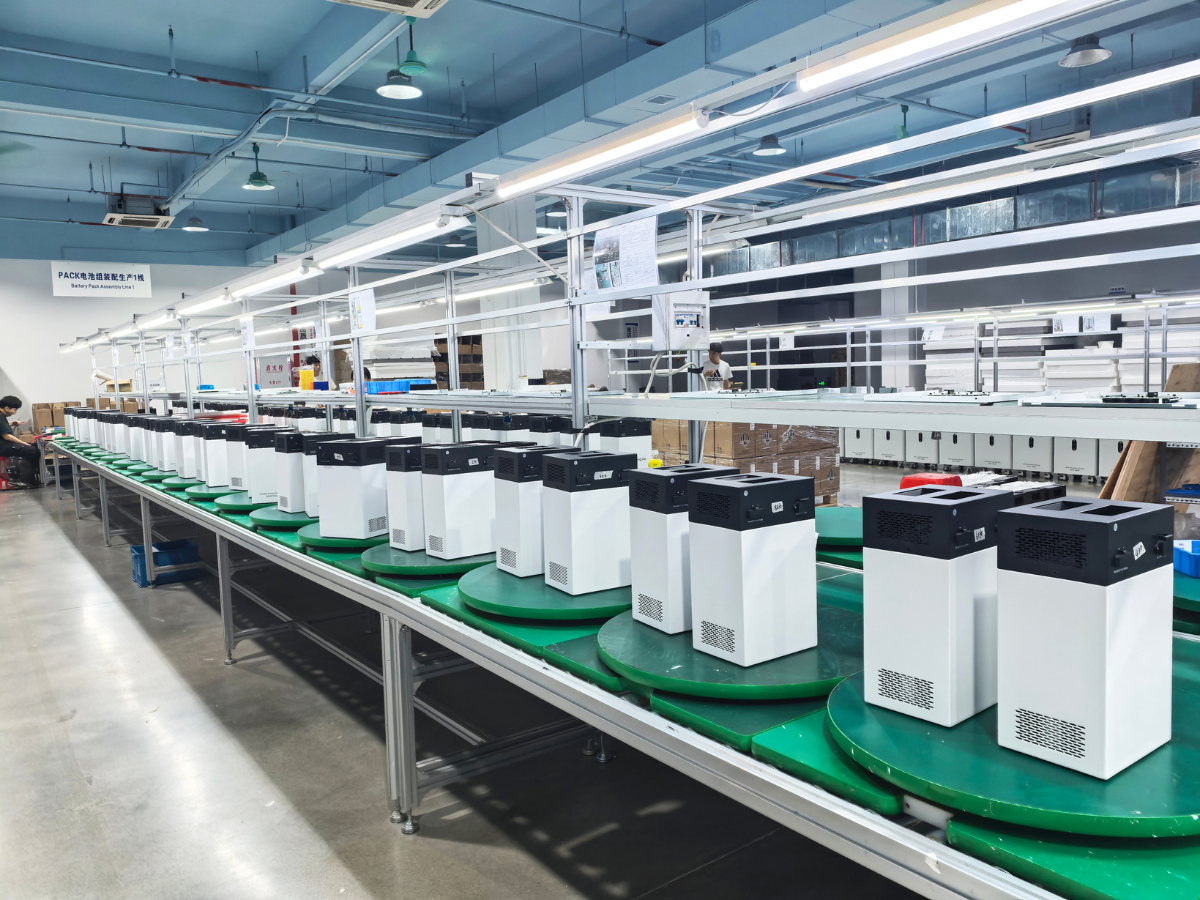
As a green energy storage solution gaining significant attention in recent years, photovoltaic energy storage products convert solar energy into electricity and store it in batteries for later use. Within this system, the inverter serves as the core component for energy conversion and management, playing an irreplaceable role.
1. DC to AC Conversion: Enabling Usable Electricity
Photovoltaic modules and batteries generate direct current (DC), while household and commercial appliances typically operate on alternating current (AC). Inverters efficiently convert DC to AC, making the electricity from photovoltaic storage systems usable by home appliances and industrial equipment.
2. Optimized Energy Management for Enhanced Efficiency
Beyond energy conversion, inverters control the flow of energy. During charging and discharging cycles, inverters intelligently manage operations based on preset logic to prevent overcharging and over-discharging, thereby improving battery efficiency and extending battery lifespan.
3. Grid Integration Support, Enhancing Grid Stability
Through inverters, photovoltaic storage systems can connect to the utility grid. When solar generation exceeds demand, inverters feed surplus electricity back into the grid, aiding in peak shaving and load balancing. This further enhances grid stability and reliability.
4. Intelligent Monitoring and Safety Regulation
Modern inverters typically feature smart monitoring modules that track system status in real time—including battery charge level, voltage, current, and power output—while automatically adjusting voltage and frequency to ensure safe, stable operation.
5. Enhancing Overall System Efficiency
High-efficiency inverters minimize energy loss, boosting the overall energy efficiency of photovoltaic storage systems. This maximizes clean energy utilization and further supports energy conservation and emissions reduction.
6. Equipment Protection and Lifespan Extension
By stabilizing voltage and frequency, inverters help systems withstand grid fluctuations or anomalies, reducing equipment wear and tear. This extends the overall lifespan of energy storage systems while lowering maintenance and replacement costs.
7. Enhanced User Experience
Inverters ensure stable energy output and efficient system operation, enabling users to enjoy continuous, reliable, and eco-friendly power supply. This delivers a tangible experience of green energy’s value.
In conclusion, Inverters play a pivotal role in photovoltaic energy storage products. Beyond their fundamental function of converting DC to AC, they provide support in energy management, grid regulation, intelligent monitoring, and system protection. Indeed, inverters serve as the bridge connecting photovoltaic power generation, energy storage systems, and user electricity demands—a key technology enabling the sustainable utilization of clean energy.

